

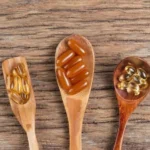

Turmeric (Curcuma longa), a vibrant yellow spice commonly used in Indian cuisine, has gained significant attention for its potential health benefits. These benefits are largely attributed to curcumin, its most active compound. This article delves into the medicinal applications of turmeric and curcumin, examining its uses, effectiveness, and considerations.
What is Curcumin?
Curcumin is a polyphenol with potent anti-inflammatory and antioxidant properties. While turmeric contains only about 3% curcumin by weight, concentrated curcumin extracts are available as dietary supplements. However, curcumin has poor bioavailability – meaning the body doesn’t absorb it well. Combining it with piperine (found in black pepper) significantly enhances absorption.
Medicinal Applications & Research
Osteoarthritis & Joint Pain
Numerous studies suggest curcumin can reduce pain and improve function in individuals with osteoarthritis. Its anti-inflammatory effects help alleviate joint inflammation and discomfort. Some research indicates efficacy comparable to certain anti-inflammatory drugs, but with fewer side effects.
Anti-Inflammatory Effects & Chronic Diseases
Chronic inflammation is linked to many diseases, including heart disease, cancer, and Alzheimer’s. Curcumin’s ability to modulate inflammatory pathways may play a protective role. Research is ongoing to explore its potential in managing these conditions.
Brain Health & Cognitive Function
Curcumin may boost brain-derived neurotrophic factor (BDNF), a growth hormone in the brain. Low BDNF levels are associated with depression and Alzheimer’s disease. Preliminary studies suggest curcumin could improve memory and mood, but more research is needed.
Heart Health
Curcumin may improve endothelial function (the lining of blood vessels), a key factor in heart disease. Its antioxidant properties can also protect against oxidative damage to cholesterol, reducing the risk of atherosclerosis.
Cancer Prevention & Treatment
In vitro and animal studies show curcumin can inhibit cancer cell growth, proliferation, and metastasis. While promising, human trials are still limited, and curcumin is not a standalone cancer treatment. It may be used as a complementary therapy.
Forms & Dosage
- Turmeric Powder: Used in cooking; provides minimal curcumin.
- Curcumin Supplements: Available in capsules, tablets, and liquids.
- Liposomal Curcumin: Enhanced bioavailability due to liposomal encapsulation.
Dosage varies depending on the condition and formulation. Typical doses range from 500-2000mg of curcumin per day, often divided into multiple doses. Consult a healthcare professional before starting any curcumin supplement.
Safety & Side Effects
Curcumin is generally considered safe, even at high doses. Mild side effects may include nausea, diarrhea, and stomach upset. It can interact with certain medications, such as blood thinners. Individuals with gallbladder problems should avoid high doses.